
Areas of focus

Nutrition support from trying to conceive through your baby’s first year.

Evidence-based, individualized guidance for each stage. Find the one you’re in, or read on to see what’s ahead.


A couple sharing a tender moment while preparing a meal together in a sunlit kitchen
Trying to conceive

Fertility

Your fertility deserves more than a supplement protocol.

Fertility is complicated. It is biology, timing, genetics, environment, and sometimes a bit of luck. But there is also a great deal we can influence.

Keep readingShow less

Nutrition provides the raw materials for healthy eggs and sperm, hormone production, ovulation, metabolic health, and the earliest stages of life. Whether you’re trying to conceive on your own or preparing for assisted reproductive treatment, thoughtful nutrition can help create a stronger foundation for conception and beyond.

The goal isn’t to turn your fertility into another project to perfect. It’s to give your body what it needs to do the incredibly complex work it’s already trying to do.

Nutrition is about creating conditions, not controlling an outcome.
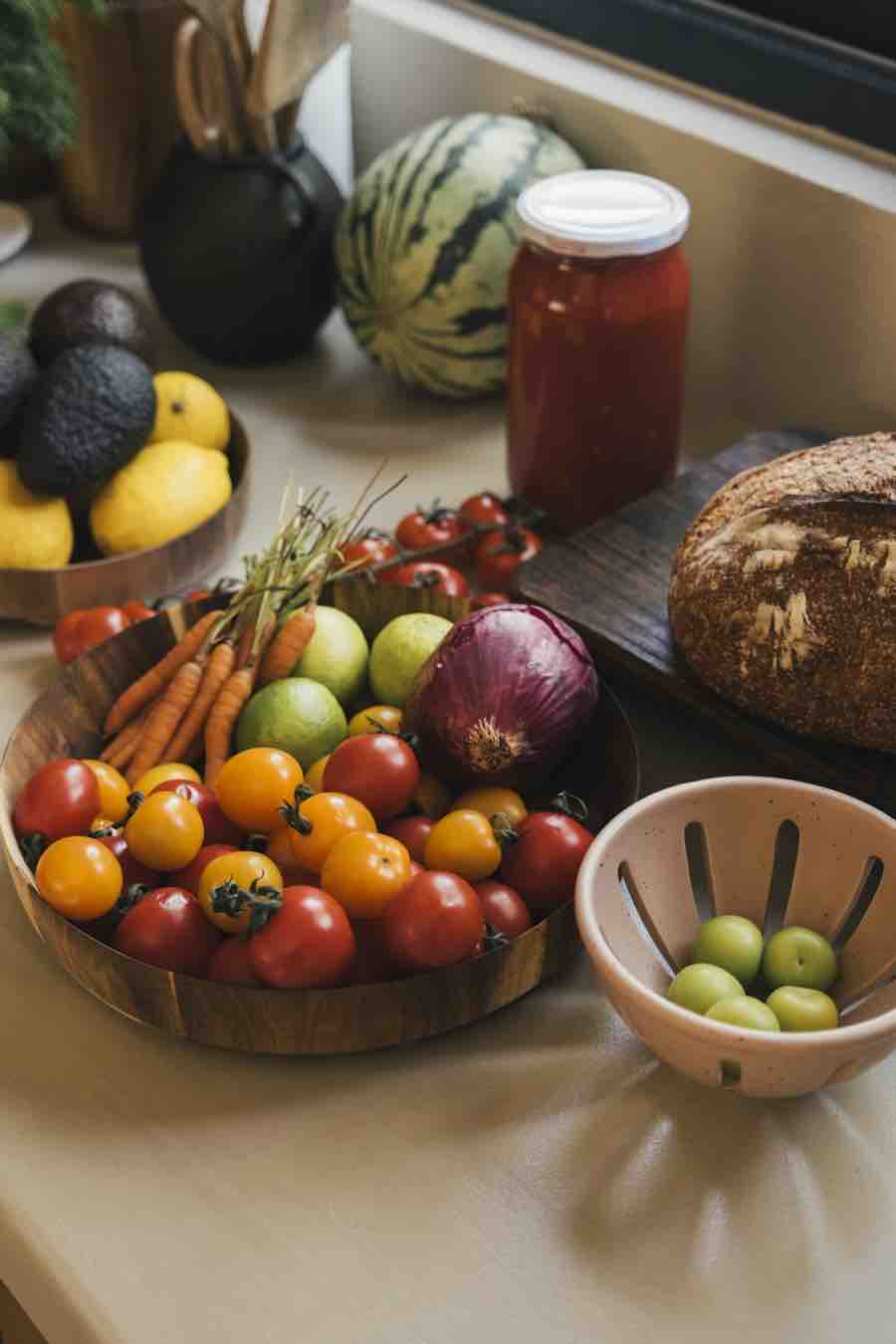

A kitchen counter with bowls of tomatoes, carrots, avocados and lemons beside a loaf of bread
Trying to conceive

Preconception

The best time to prepare for pregnancy? Before you’re pregnant! Build your reserves before you need them.

The months before pregnancy are often an overlooked window of opportunity. Not because you need to become a perfectly optimized human before trying to conceive (you absolutely do not!) but because a little preparation can go a long way.

Keep readingShow less

Preconception is a chance to replenish nutrient stores, support metabolic and reproductive health, address nutritional gaps, and build habits that will carry you into pregnancy. It is also a chance to slow down and ask: What does my body need before I ask it to grow a whole new person?

There is no pressure for perfection. The goal is to enter pregnancy nourished, supported, and with a little more in the tank.


A pregnant woman in a mustard wool jacket smiling down at a dog standing on its hind legs, on a rocky shoreline
During pregnancy

Pregnancy

You’re growing a person. Your nutrition matters.

Pregnancy asks a lot of your body. While you’re growing an entirely new human, your own blood volume, tissues, metabolism, hormones, and nutrient needs are changing right alongside them. There is a remarkable amount of building happening in a very short amount of time.

Keep readingShow less

With those changes come increased and evolving nutritional demands. From supporting your baby’s brain, bones and organ development to maintaining your own energy and nutrient stores, what you eat plays an important role in supporting both of you throughout pregnancy. And those nutritional foundations matter beyond birth, too, helping to prepare your body for the demands of postpartum.

Of course, pregnancy rarely unfolds according to plan. Nausea, food aversions, constipation, fatigue, gestational diabetes, heartburn, and the simple question of “What on earth can I eat today?” can make meeting those nutritional needs considerably more complicated.

My role is to help you navigate those changing needs, make sense of what matters most, and find practical ways to nourish yourself through it all.


A balanced plate of rice, beans, greens and chicken set on a table
During pregnancy

Gestational Diabetes

This diagnosis isn’t a dietary failure <3

A gestational diabetes diagnosis can bring a lot of questions, uncertainty, and sometimes an overwhelming amount of information about what you should and shouldn’t eat.

Keep readingShow less

Gestational diabetes involves changes in insulin sensitivity and glucose regulation during pregnancy. While hormonal changes are a normal part of pregnancy, some bodies have a harder time keeping blood sugar within the desired range as pregnancy progresses.

Nutrition plays an important role in blood sugar management, but that doesn’t mean eating less, cutting out carbohydrates, or trying to follow a rigid list of rules. It’s about understanding how your body responds to food, building balanced meals, supporting adequate nutrient intake, and finding an approach that works in real life.

Together, we’ll look beyond individual blood sugar readings to consider the bigger nutritional picture, including meal composition, food quality, nutrient adequacy, and your changing needs throughout pregnancy. The goal is to support healthy blood sugar regulation while ensuring you and your baby are getting the nourishment you need.

And importantly, a gestational diabetes diagnosis is not a reflection of something you’ve done wrong. You deserve support, not judgement.


A smiling woman in a mustard linen dress sitting on garden steps, holding her newborn baby
After baby arrives

Postpartum

The baby isn’t the only one who needs feeding.

Birth marks the beginning of something new, but it is not the end of the physical work of pregnancy. Your body is recovering, healing, adapting to enormous hormonal shifts, navigating very little sleep, and, often, making milk. Meanwhile, you’re learning how to care for a tiny human.

Keep readingShow less

The priority with postpartum nutrition should not be “bouncing back.” It’s about recovery, replenishment, energy, nourishment, and giving your body the resources it needs for this next chapter.

Whether you’re navigating breastfeeding, depleted nutrient stores, a complicated birth, digestive changes, low energy, or simply trying to figure out how to feed yourself while holding a baby, thoughtful nutrition can make a meaningful difference.

Because caring for yourself isn’t separate from caring for your baby. You are part of the equation.


A newborn baby in a white onesie resting in a parent’s lap
After baby arrives

Early Infant Nutrition

Little bodies. Big nutritional needs.

The first year of life is a period of extraordinary growth and development. Nutritional needs are high, little bodies are changing rapidly, and the foundations for lifelong health are beginning to take shape.

Keep readingShow less

From breastmilk and formula to the introduction of solid foods, there is a lot to navigate. When should you introduce iron-rich foods? How do you approach common allergens? Is your baby getting enough? And what does a balanced diet actually look like for someone who has only just discovered their hands?

Early infant nutrition is about more than filling little bellies. It’s about supporting growth and development, meeting evolving nutrient needs, and establishing a positive relationship with food from the beginning. Nutrition can also play an important role in supporting digestive health, skin health, and overall wellbeing as your baby grows.

Whether you’re navigating the transition to solids, food sensitivities, eczema, digestive discomfort, or the many changes that come with teething, I help parents make sense of what’s happening and understand where nutrition can offer support.

The goal is to help you feel confident in feeding and nourishing your baby, without turning every meal into another thing to worry about.

You don’t have to figure it out all alone.

Book a consultation and let’s work through your questions, make sense of what your body needs, and find a way forward that feels right for you.

Book a Consultation →